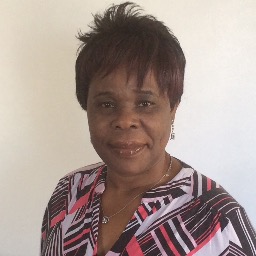
Counsellor - Addictions and Relationships
Also lists: Addictions, Relationship, Self Esteem
441 UK counsellors in this directory name veterans on their own profile, alongside trauma and abuse. Naming a topic means a counsellor says they work with it. Each profile shows their professional body, years in practice and languages.
Find counsellors who specialise in supporting veterans with military-related trauma, transition and long-term wellbeing. Browse the listings below to explore practitioners, their approaches, registration and languages.
Counsellor - Addictions and Relationships
Also lists: Addictions, Relationship, Self Esteem
Counsellor for LGBT and trauma concerns
Also lists: LGBT, Grief, Depression
Counsellor - Stress and trauma support
Also lists: Stress & Anxiety, Addictions, Self Esteem
Counsellor working with trauma and anxiety
Also lists: Stress & Anxiety, Self Esteem, Career
Counsellor - trauma related concerns and relationships
Also lists: Stress & Anxiety, Relationship, Family
Counsellor - trauma and addictions
Also lists: Stress & Anxiety, Addictions, Self Esteem
Counsellor - trauma, relationships
Also lists: Stress & Anxiety, Addictions, Relationship
Counsellor - Relationships and Trauma
Also lists: Relationship, Family, Intimacy Issues
Counsellor for anxiety and trauma-related concerns
Also lists: Stress & Anxiety, Self Esteem, Career
Counsellor - anxiety and trauma support
Also lists: Stress & Anxiety, Addictions, Self Esteem
Counsellor - trauma, identity and relationships
Also lists: Stress & Anxiety, Family, Self Esteem
Counsellor - Trauma and relationship support
Also lists: Stress & Anxiety, Relationship, Grief
Counsellor - anxiety and trauma support
Also lists: Stress & Anxiety, Self Esteem, Career
Counsellor - anxiety and trauma support
Also lists: Stress & Anxiety, Grief, Depression
Counsellor - Trauma and anxiety support
Also lists: Stress & Anxiety, Anger, Self Esteem
Counsellor - Trauma and addictions support
Also lists: Stress & Anxiety, Addictions, Grief
Counsellor - Anxiety and trauma related concerns
Also lists: Stress & Anxiety, LGBT, Self Esteem
Counsellor psychologist - trauma and relationships
Also lists: Stress & Anxiety, Relationship, Family
Counsellor for relationships and trauma-related issues
Also lists: Stress & Anxiety, Relationship, Family
Counsellor - Trauma and life changes
Also lists: Stress & Anxiety, Anger, Self Esteem
Counsellor - Anxiety and Relationships
Also lists: Stress & Anxiety, Relationship, Anger
Counsellor - trauma and relationships
Also lists: Stress & Anxiety, Relationship, Self Esteem
Counsellor - anxiety and relationships
Also lists: Stress & Anxiety, Addictions, Grief
Counsellor for stress and relationships
Also lists: Stress & Anxiety, Relationship, Self Esteem
Counsellor - trauma, anxiety and addictions
Also lists: Stress & Anxiety, Addictions, Self Esteem
Counsellor - trauma, anxiety and relationships
Also lists: Stress & Anxiety, Relationship, Self Esteem
Counsellor for trauma and anxiety
Also lists: Stress & Anxiety, Parenting, Self Esteem
Counsellor for trauma and relationships
Also lists: Stress & Anxiety, Relationship, Family
Counsellor - Trauma and complex distress
Also lists: Stress & Anxiety, Addictions, Depression
Counsellor - trauma, anxiety and life changes
Also lists: Stress & Anxiety, Grief, Self Esteem
Counsellor - stress and relationship issues
Also lists: Stress & Anxiety, Family, Grief
Counsellor for anxiety and trauma-related concerns
Also lists: Stress & Anxiety, Addictions, Relationship
Counsellor - relationships and trauma
Also lists: Relationship, Self Esteem, Depression
Counsellor working with trauma and anxiety
Also lists: Stress & Anxiety, Relationship, Self Esteem
Counsellor - trauma and anxiety
Also lists: Stress & Anxiety, Grief, Depression
Counsellor - Anxiety and Trauma
Also lists: Stress & Anxiety, Relationship, Self Esteem
Counsellor - trauma and relationship difficulties
Also lists: Stress & Anxiety, Addictions, Intimacy Issues
Counsellor - relationships and trauma
Also lists: Relationship, Grief, Depression
Counsellor - Trauma and relationship support
Also lists: Stress & Anxiety, Relationship, Grief
Counsellor - Trauma and Anxiety support
Also lists: Stress & Anxiety, Grief, Depression
Counsellor for stress and trauma
Also lists: Stress & Anxiety, Relationship, Self Esteem
Counsellor - trauma and anxiety support
Also lists: Stress & Anxiety, Relationship, Eating
Counsellor - relationships and trauma
Also lists: Relationship, Family, Grief
Counsellor - anxiety and relationships
Also lists: Stress & Anxiety, Relationship, Anger
Counsellor - anxiety and trauma support
Also lists: Stress & Anxiety, Sleeping Disorders, Self Esteem
Counsellor - Anxiety and trauma support
Also lists: Stress & Anxiety, Relationship, Family
Counsellor - trauma, relationships and wellbeing
Also lists: Stress & Anxiety, Relationship, Family
Counsellor - Trauma and relationship concerns
Also lists: Stress & Anxiety, Relationship, Self Esteem
Listings on this page come from BetterHelp and the buttons are partner links. We will earn a commission if you sign up through one, at no extra cost to you.
If you are a veteran, your life story may include intense experiences that shape how you feel, relate to others and manage day-to-day life. Service life can bring exposure to life-threatening events, prolonged stress, loss, separation from family and frequent changes in responsibility and routine. The transition from military to civilian life also involves identity shifts, changes in social networks and practical challenges such as employment, housing and navigating civilian healthcare. All of these factors can interact in different ways for different people.
You may find that certain memories, reactions or patterns of behaviour have become more frequent or harder to manage over time. Some veterans report heightened startle responses, changes in sleep or appetite, difficulties with concentration or mood, or a sense of disconnection from others. Others describe practical struggles - finding meaningful work, rebuilding relationships or adapting to new roles at home. These experiences are personal and varied. Therapy for veterans is focused on helping you explore how your military background affects you now and on identifying strategies that fit your situation and values.
It can be hard to know when to look for therapy, particularly if you have been taught to manage challenges independently. You might decide to seek help if you notice persistent symptoms that interfere with daily life, such as ongoing nightmares, intense anxiety in reminders of past events, or relationships that are strained because you find it difficult to trust or express emotions. You might also seek support if you feel stuck in patterns of avoidance - for example, avoiding places or conversations that remind you of service - or if you are using substances or behaviours to numb distress.
Sometimes the need for support is practical rather than dramatic. You may be struggling with career transition, parenting after deployment, or navigating benefits and healthcare systems. Other times you may be looking for emotional processing after a distressing event, wanting to make sense of feelings of guilt or shame, or aiming to rebuild social connections. If you are uncertain whether therapy is appropriate for you, a first session with a counsellor can help clarify goals and map out options without pressure.
When you first contact a counsellor who specialises in veterans' issues, you will typically have an initial conversation to outline what brings you to therapy and to ask practical questions about how they work. This introductory stage is an opportunity for you to describe your concerns, your service background if you wish, and what you want to achieve. The counsellor will usually explain their approach, discuss timings and fees, and talk through boundaries and what you can expect from sessions.
Therapy sessions often combine exploration of past experiences with practical strategies for managing current difficulties. Some people prefer short-term work focused on a specific issue such as sleep or panic, while others choose longer-term therapy to address broader patterns of thinking and relating. You and your counsellor will work together to set goals that matter to you - these might include reducing distressing memories, improving relationships, developing coping skills for symptoms, or finding new ways of making meaning after service.
You should expect a pace that feels manageable. Good practice involves careful attention to safety and stabilisation before addressing intense memories. A counsellor will usually discuss how they will approach difficult material, invite your feedback about pacing, and agree on steps to reduce overwhelm. If you have specific needs such as hearing impairment, mobility considerations or require a therapist who speaks a particular language, these are appropriate topics to raise at the outset.
On directory listings you will often see a range of therapeutic approaches that counsellors mention as part of their practice. Cognitive and behavioural approaches appear frequently and are described as ways to identify patterns of thinking and behaviour that maintain distress. Therapists may list trauma-informed or trauma-focused work among their approaches, indicating they attend to the effects of traumatic experiences while tailoring the pace to the individual.
You may also encounter counsellors who list EMDR among their approaches, narrative work that helps you reframe and tell your story in ways that make sense, and relational or psychodynamic approaches that explore how service experiences influence relationships and identity. Group work is sometimes offered, described as a space where veterans can connect with others who share aspects of military life. It is important to understand that a listing reflects what the counsellor offers, not an independent verification of specialised training, so you may wish to ask how they apply particular methods to veterans' issues during an initial conversation.
In the UK context, many counsellors note professional registration with organisations such as BACP, HCPC or NCPS. These registrations indicate adherence to professional standards and an ethical framework. When you read a profile that mentions registration, it can be useful to check what that registration body represents and how it relates to the counsellor's scope of practice.
Online therapy for veterans typically takes place via video call, telephone or text-based messaging. Video sessions allow for visual connection which many people find helpful when building rapport. Telephone work can be easier if bandwidth or quiet space is limited. Messaging or email-based support can be useful for short-term check-ins or supplementary work, though it differs from live conversation in timing and depth. Before starting, check what platform the counsellor uses and whether you are comfortable with the technology. If internet access is a concern, a telephone arrangement can be a straightforward alternative.
When participating in online therapy, think about how to create a comfortable environment where you can talk openly. This might mean arranging to be in a quiet room, using headphones for better sound quality, or scheduling sessions at a time when you can minimise interruptions. If you are concerned about neighbours or family members overhearing, you can discuss strategies with the counsellor to help protect your privacy and ensure sessions are meaningful.
Many veterans find online therapy increases access by removing travel, helping to manage time commitments and allowing connections with therapists who have experience of military life across the UK. However, some matters may feel easier to address in person, and certain kinds of group work or body-focused interventions are different when offered remotely. It is reasonable to discuss these trade-offs with a counsellor when considering online work.
Choosing a counsellor is a personal decision and there are several practical factors to take into account. You may want a counsellor who explicitly mentions experience with military culture or transition on their listing, as this can help when discussing service-specific topics. Look for information about their therapeutic approaches and whether they list methods you want to explore, remembering to use the listing as a starting point for questions rather than an assurance of formal training in a given method.
Registration with bodies such as BACP, HCPC or NCPS is a useful indicator that a counsellor agrees to a professional code of conduct and ongoing professional development. Language options or experience working with particular communities can be important if you prefer to talk in a language other than English or want a counsellor who understands cultural factors relevant to your background. Consider practical details that matter to you - session length, fees, and whether the counsellor offers online or face-to-face work - and use an initial conversation to get a sense of rapport and approach. Trust and feeling heard are central to good therapy, so take time to find someone with whom you feel understood and respected.
If you are unsure where to begin, you may wish to enquire about how a counsellor works with veterans, how they handle difficult memories, and how they approach setting goals. A brief introductory call can help you feel more confident in choosing a counsellor who fits your needs and preferences. Remember that reaching out is a practical step toward working through challenges and finding ways to manage the effects of service on your life today.